Active learning study techniques
Active recall: the study method that beats rereading.
What active recall is, why it works, and the techniques with the strongest evidence. Then turn your own notes into questions and start using it.
3-day Pro trial. No credit card.

Quick answer
What is active recall?
Active recall means pulling information out of memory instead of putting it back in: you close the book and answer a question, explain a concept or write down everything you remember, then check. Retrieving strengthens a memory more than rereading does, an effect researchers call the testing effect. The simplest way to start is with practice questions, and QuerySpark writes them from your own notes so you can begin recalling right away.
- Also called retrieval practice
- Beats rereading for long-term retention
- Pairs with spaced repetition: recall decides how, spacing decides when
- Practice questions are the easiest way to start
The evidence
Is active recall better than rereading?
For anything you need to remember next week, yes. Rereading wins only if the test is in five minutes.
The classic demonstration is Henry Roediger and Jeffrey Karpicke's 2006 study in Psychological Science. Students read short prose passages and then either reread them or took recall tests on them. On a test five minutes later the rereaders did slightly better. Two days and one week later, the students who had tested themselves remembered more, even though the rereaders had predicted they would do better.
That gap between how studying feels and how it works is the whole problem with passive study. Rereading makes the page familiar, and familiarity feels like knowing. Recall feels harder and slower, and that effort is what builds the memory. Rereading still has a job: read once to understand, then switch to recall.
Passive habits
Feel productive because the material becomes familiar.
- Re-reading the chapter
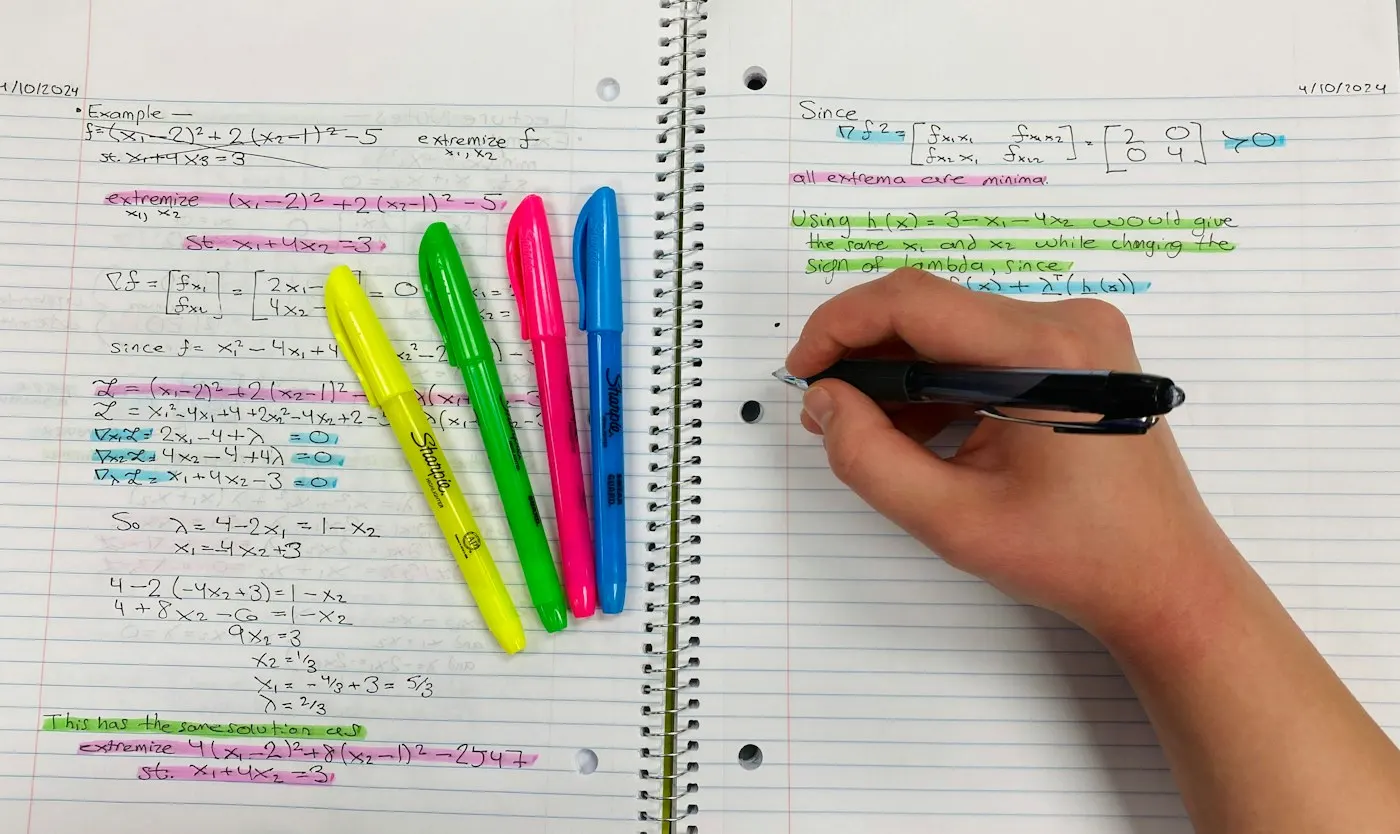
- Highlighting and underlining
- Copying out notes
- Feeling familiar with the material and mistaking it for knowing it
Active recall
Makes you retrieve or use information rather than review it.
- Answering a question from memory
- Explaining a concept aloud
- Working a problem end to end
- Seeing exactly which questions you miss, so the gaps are visible
Ranked by evidence
Active learning study techniques, and how well they work
A 2013 review led by John Dunlosky rated ten common study techniques on how useful the evidence shows them to be. Eight of them are below.
| Technique | What you do | Rated utility |
|---|---|---|
| Practice testing | Answer questions or recall from memory, then check | High |
| Distributed practice | Spread study sessions out over days and weeks | High |
| Interleaved practice | Mix problem types or topics within a session | Moderate |
| Elaborative interrogation | Ask yourself why a fact is true and answer it | Moderate |
| Self-explanation | Explain how each step or idea connects to what you know | Moderate |
| Summarization | Write summaries of what you read | Low |
| Highlighting and underlining | Mark key passages while reading | Low |
| Rereading | Read the material again | Low |
The other two techniques in the review, the keyword mnemonic and imagery for learning text, were also rated low. Low utility does not mean useless; it means the benefits were limited to certain materials or learners, or the evidence was thin.
Learning science
What the research says
The case for active recall rests on studies that have been repeated many times, across ages and subjects.

2 of 10
study techniques were rated high utility in a major review: practice testing and distributed practice.
2006
Students who read once and then tested themselves remembered more a week later than students who reread, even though the rereaders felt more confident.
2011
Retrieval practice produced more learning than building concept maps from the same text, including on questions that asked for inferences.
Research: Dunlosky et al., 2013, Psychological Science in the Public Interest. Roediger and Karpicke, 2006, Psychological Science. Karpicke and Blunt, 2011, Science.
In practice
How to use active recall: four methods
All four share one rule: produce the answer before you look at it.
- 01
Practice questions
Answer questions on the material without looking, then check. The most direct form of active recall, and the easiest to keep up.
- 02
Blurting
After studying a topic, close everything and write down all you remember on a blank page. Then compare with your notes and mark what you left out.
- 03
The Feynman technique
Explain the idea in plain words, as if to someone new to the subject. Where you reach for jargon or get stuck, you have found the gap.
- 04
Flashcards with a real question
Put a question on the front, not a heading, and say the answer before flipping. Flipping straight away turns it back into reading.
What is the most effective way to study?
Combine the two high-utility techniques: test yourself, and spread those tests out. A workable week for one course looks like this. Read or attend the lecture once for understanding. That evening, answer 10 to 15 questions on it without notes. Two or three days later, answer them again, plus questions from last week's topics mixed in. Spend your remaining time on whatever you got wrong.
What drops out is the time spent rereading and recopying notes. That time goes into recall, which feels slower and is far more effective. For exam-specific planning, see how to study for exams.
How to remember what you study
Memory has three stages you can influence. Understanding comes first: you cannot recall what never made sense, so ask yourself why each idea is true as you learn it. Retrieval comes next: every time you pull an answer out, it becomes easier to find again. Timing comes last: retrieving just as something starts to fade does more than retrieving it while it is fresh.
In practice that means recall the same day, then after a gap, then after a longer gap, and read the explanation every time you get something wrong. The scheduling side is covered in how spaced repetition works.
In QuerySpark
Active recall without making the questions yourself
The hardest part of active recall is writing the questions. QuerySpark does that part from your own material.
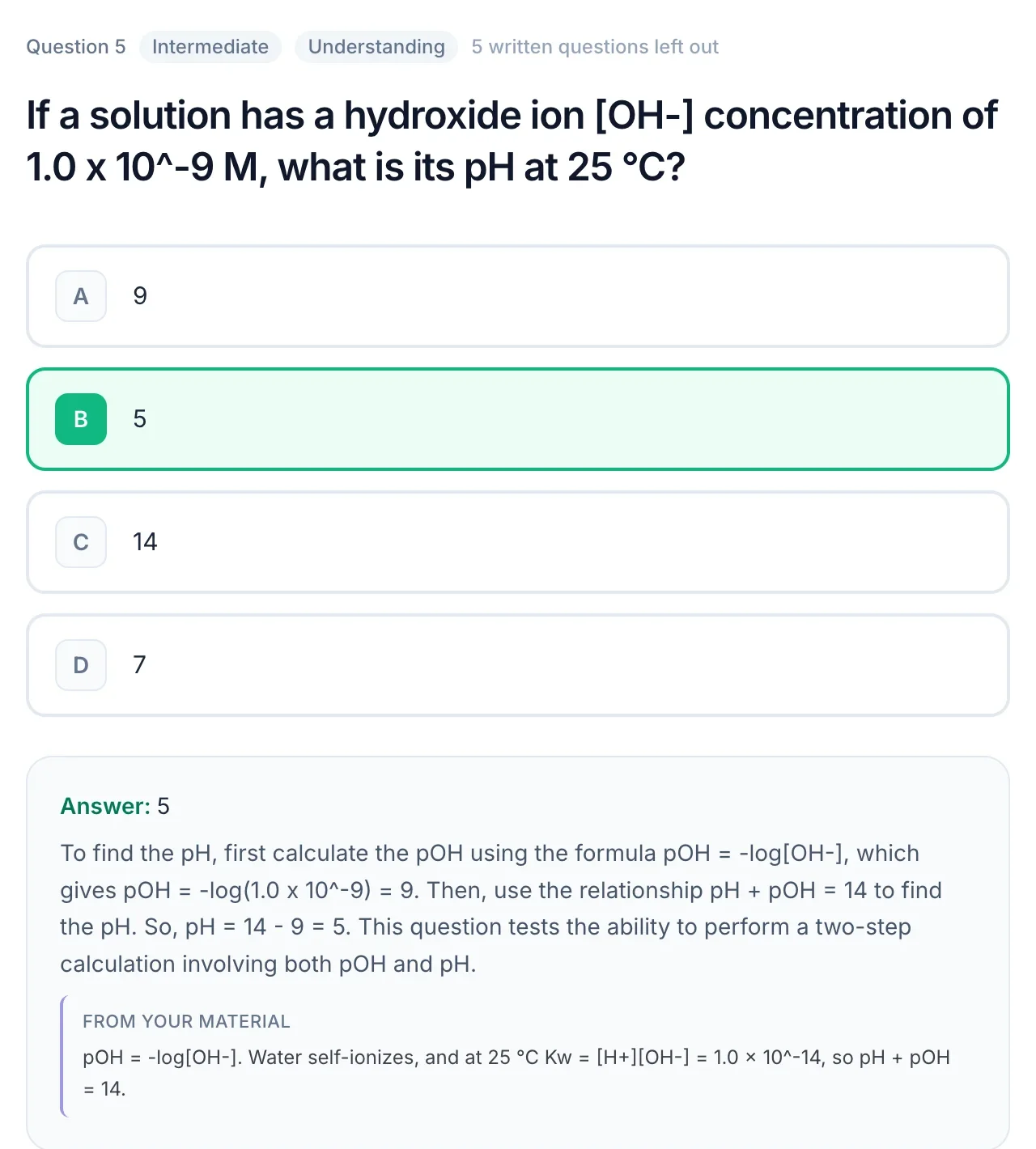
Questions from your notes
Upload a PDF, slides or notes and get questions to recall from, so there is no setup step to skip.Multiple choice · Short answer · Essay
Recall before reveal
You commit to an answer before you see it, which is what makes it retrieval rather than review.Answer first · Rate your confidence · Then check
Spaced review
Missed questions come back sooner, known ones move further out.Scheduled reviews · Misses return · Due-review reminders
Feedback that teaches
Every answer has an explanation, and most show the passage from your material it came from.Explanations · Source passages · Edit anything
How it works
From your notes to active recall in 3 steps
- 01
Upload content
Add a PDF, slides, photos of notes, a recording or a YouTube link.
- 02
Get questions
About a minute later you have questions with answers and explanations.
- 03
Recall, then check
Answer from memory, read the explanation, and let missed questions come back.
Prefer cards? The AI flashcard generator makes a deck from the same upload, and the notes to quiz tool starts from typed or handwritten notes.
Frequently asked questions
Active recall is studying by pulling information out of memory rather than reading it again: answering a question, explaining a concept or writing down what you remember, and then checking. Re-reading, highlighting and copying out notes are passive by comparison.
For remembering material days or weeks later, yes. In Roediger and Karpicke's 2006 experiments, rereading did slightly better on a test five minutes later, but students who had tested themselves remembered more after two days and after a week. A first read is still needed to understand the material; it is repeat reading that adds little.
Yes. Retrieval practice is the term researchers use; active recall is the term most students use. Both mean strengthening a memory by retrieving it, and the finding behind them is called the testing effect.
No, they answer different questions. Active recall is how you study (by retrieving); spaced repetition is when you study (at widening intervals). They work well together, which is why most good flashcard apps do both.
Try to retrieve first, and give it a genuine attempt before revealing. Even a failed attempt helps later learning, provided you then see the correct answer. What does not help is glancing at the answer immediately, which turns the question back into reading.
Blurting is a form of active recall: after studying a topic, you write down everything you can remember on a blank page without looking, then compare it with your notes and fill in the gaps. It works best on a single, bounded topic.
Partly. Recall is best for the conceptual layer: definitions, theorems and when to use which method. Fluency in the procedures still comes from working problems end to end, so pair generated questions with worked problem sets.
Shorter and more frequent beats long and rare, because the gaps between sessions do much of the work. Twenty to thirty minutes of focused recall, several times across a week, will generally beat one three-hour block the night before, and it is far easier to keep up.
Yes. Any good flashcard or quiz app supports it if you answer before revealing. QuerySpark also writes the questions from your own PDFs and notes, so you can start recalling straight away instead of making cards first.
Still stuck? Email us.
Read once. Then recall.
Turn your notes into practice questions in about a minute. 3-day Pro trial, no credit card required.