Overview
Discover how spaced repetition, backed by cognitive science research, can help you retain information 90% longer while reducing study time by up to 50%. Learn the optimal intervals and implementation strategies.
Spaced repetition is one of the most powerful learning techniques discovered by cognitive science, yet most students have never heard of it. This comprehensive guide will teach you everything you need to know to put this method into practice.
What is Spaced Repetition?
Spaced repetition is a learning technique that involves reviewing information at increasing intervals. Instead of cramming all at once, you revisit material just as you're about to forget it. This method leverages the psychological spacing effect, first discovered by Hermann Ebbinghaus in 1885.
The Science Behind Spaced Repetition
Research shows that spaced repetition can improve long-term retention by up to 200% compared to traditional study methods. Here's why it works:
The Forgetting Curve
Without reinforcement, we forget approximately 50% of new information within an hour, and 70% within 24 hours. Spaced repetition interrupts this curve at optimal moments.
Neuroplasticity and Memory Consolidation
Each time you recall information, you strengthen the neural pathways. The effort required to retrieve "forgotten" information actually makes the memory stronger and more durable.
Cognitive Load Theory
Spaced repetition prevents cognitive overload by distributing learning over time, allowing your brain to process and consolidate information effectively.
Optimal Spaced Repetition Intervals
Based on SuperMemo research and cognitive science studies, here are the most effective review intervals:
- First Review: 1 day after initial learning
- Second Review: 3 days after first review
- Third Review: 7 days after second review
- Fourth Review: 16 days after third review
- Fifth Review: 35 days after fourth review
These intervals can be adjusted based on difficulty and your performance.
Implementation Strategies
1. The Leitner System
Use physical flashcards with boxes representing different review intervals. Correct answers move cards to longer intervals; incorrect answers move them back.
2. Digital Spaced Repetition Systems
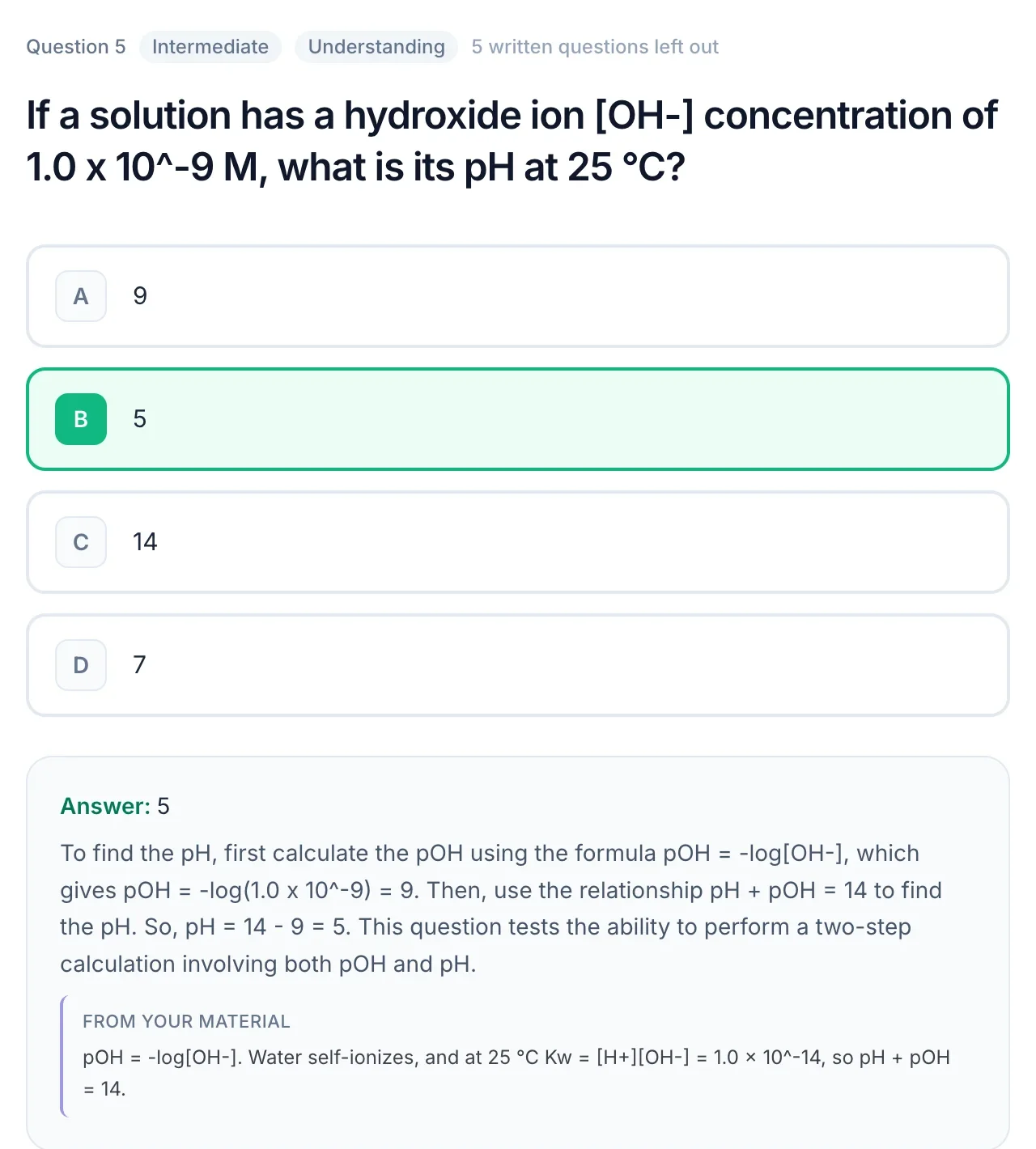
Tools like Anki, Quizlet, or QuerySpark automatically calculate optimal review times based on your performance.
3. Active Recall Integration
Combine spaced repetition with active recall techniques:
- Create questions from your notes
- Use the Feynman Technique
- Practice explaining concepts without looking
Subject-Specific Applications
Language Learning
- Vocabulary: Start with high-frequency words
- Grammar: Focus on problematic structures
- Pronunciation: Record and review difficult sounds
Medical Studies
- Anatomy: Use visual cards with labels
- Pharmacology: Link drug names with mechanisms
- Clinical cases: Review diagnostic criteria
Programming
- Syntax: Common code patterns and functions
- Algorithms: Step-by-step problem-solving approaches
- Debugging: Common error patterns and solutions
Legal Studies
- Case law: Key facts, holdings, and reasoning
- Statutes: Important sections and applications
- Procedures: Step-by-step legal processes
Common Mistakes to Avoid
1. Making Cards Too Complex
Keep each card focused on one concept. Complex cards lead to partial knowledge and confusion.
2. Passive Recognition vs. Active Recall
Don't just recognize the answer, actively generate it from memory.
3. Inconsistent Review Schedule
Irregular reviews break the spacing algorithm. Consistency is crucial for effectiveness.
4. Overloading with New Material
Limit new cards to 10-20 per day. Focus on quality over quantity.
Advanced Techniques
Interleaving
Mix different types of problems or subjects within your spaced repetition sessions to improve discrimination and transfer.
Elaborative Interrogation
Ask "why" and "how" questions about the material you're reviewing to deepen understanding.
Dual Coding
Use both verbal and visual elements in your cards to engage multiple memory systems.
Measuring Your Progress
Track these metrics to optimize your spaced repetition system:
- Retention Rate: Percentage of cards answered correctly
- Review Time: Average time per card
- Mature Cards: Cards with intervals over 21 days
- Ease Factor: How well you know each card
Getting Started Today
- Choose Your Tool: Start with a simple system like physical cards or a digital app
- Select Material: Pick one subject or skill to begin with
- Create 10-20 Cards: Focus on quality over quantity
- Set a Schedule: Commit to daily 15-30 minute sessions
- Track Progress: Monitor your retention and adjust as needed
The QuerySpark Advantage
QuerySpark automates spaced repetition by analyzing your performance and adjusting review intervals dynamically. Our AI-powered system:
- Generates questions automatically from your study material
- Adapts difficulty based on your responses
- Tracks long-term retention patterns
- Integrates with multiple study modes
Conclusion
Spaced repetition isn't just a study technique, it's a scientifically-proven method to hack your brain's learning mechanisms. By implementing these strategies, you can retain more information with less effort, giving you a significant advantage in your academic or professional pursuits.
Remember: the best spaced repetition system is the one you'll actually use consistently. Start simple, stay consistent, and watch your retention rates soar.