Overview
Explore how artificial intelligence is transforming education through personalized learning, intelligent tutoring, automated assessment, and more. Discover the future of AI-powered learning.
Artificial Intelligence is no longer science fiction, it's reshaping education in profound ways. From personalized learning paths to intelligent tutoring systems, AI is making education more effective, accessible, and engaging than ever before.
The Current State of AI in Education
The global AI in education market is projected to reach $25.7 billion by 2030, growing at a compound annual growth rate of 32.9%. This explosive growth reflects the transformative potential of AI technologies in learning environments.
Market Statistics:
- 75% of educational institutions plan to implement AI by 2025
- AI-powered learning platforms show 30% improvement in student outcomes
- Personalized learning increases retention rates by up to 42%
7 Ways AI is Transforming Education
1. Personalized Learning Paths
AI algorithms analyze individual learning patterns, strengths, and weaknesses to create customized educational experiences.
How it works:
- Machine learning tracks student progress across multiple dimensions
- Algorithms adjust content difficulty in real-time
- Learning paths adapt based on performance data
Benefits:
- Students learn at their optimal pace
- Reduced achievement gaps
- Higher engagement and motivation
Real-world example: Khan Academy's AI system recommends practice problems based on individual mastery levels, helping students focus on areas where they need the most improvement.
2. Intelligent Tutoring Systems
AI-powered tutors provide 24/7 support, offering explanations, hints, and guidance tailored to each student's needs.
Key features:
- Natural language processing for conversational interaction
- Socratic questioning to guide discovery
- Emotional intelligence to recognize frustration or disengagement
Research findings: Students using AI tutoring systems show learning gains equivalent to one-on-one human tutoring, according to a 2023 meta-analysis.
3. Automated Assessment and Feedback
AI streamlines grading while providing detailed, constructive feedback on student work.
Capabilities:
- Instant grading of multiple-choice and short-answer questions
- Essay scoring using natural language processing
- Plagiarism detection and academic integrity monitoring
- Detailed analytics on student performance patterns
Time savings: Teachers report saving 5-10 hours per week on grading, allowing more time for instruction and student interaction.
4. Predictive Analytics for Student Success
Machine learning models identify at-risk students early, enabling timely interventions.
Predictive indicators:
- Attendance patterns
- Assignment submission rates
- Engagement with learning materials
- Performance trends across subjects
Impact: Early warning systems can improve retention rates by up to 25% when combined with appropriate support interventions.
5. Content Generation and Curation
AI assists educators in creating and organizing learning materials.
Applications:
- Automatic question generation from textbooks and articles
- Content recommendation based on curriculum standards
- Translation and localization for diverse learners
- Adaptive reading level adjustment
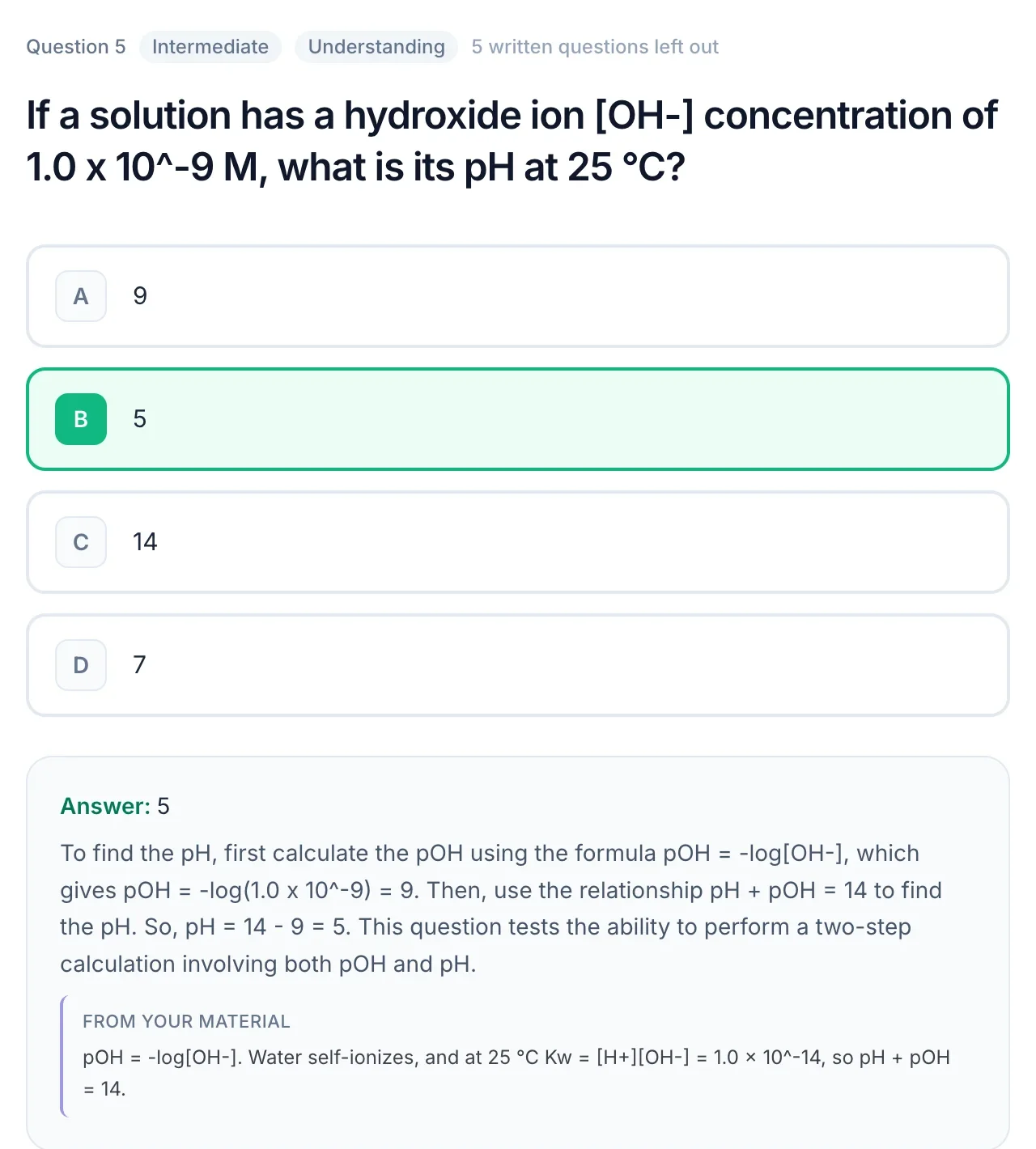
QuerySpark example: Our platform automatically generates questions from PDFs, articles, and other study materials, saving educators hours of preparation time.
6. Language Learning and Communication
AI-powered language tools break down communication barriers and enhance language acquisition.
Technologies:
- Real-time translation for multilingual classrooms
- Pronunciation feedback using speech recognition
- Conversational AI for language practice
- Cultural context understanding
Global impact: AI translation tools have made educational content accessible to over 500 million non-native speakers worldwide.
7. Accessibility and Inclusive Education
AI removes barriers for students with disabilities and learning differences.
Assistive technologies:
- Screen readers with improved voice synthesis
- Visual recognition for students with visual impairments
- Cognitive load adjustment for learning disabilities
- Motor assistance for students with physical limitations
Universal Design for Learning: AI enables truly inclusive educational experiences that adapt to diverse needs and abilities.
Challenges and Ethical Considerations
Data Privacy and Security
- Student data protection requires robust cybersecurity measures
- FERPA and GDPR compliance in educational AI systems
- Transparent data usage policies
Algorithmic Bias
- Ensuring AI systems don't perpetuate educational inequalities
- Diverse training data and regular bias audits
- Inclusive design principles in AI development
Teacher-AI Collaboration
- AI augments rather than replaces human educators
- Professional development for AI integration
- Maintaining human connection in digital learning
The Future of AI in Education
Emerging Technologies
Virtual and Augmented Reality
- Immersive learning experiences
- Virtual field trips and laboratories
- 3D visualization of complex concepts
Brain-Computer Interfaces
- Direct measurement of cognitive load
- Attention monitoring and optimization
- Neurofeedback for enhanced learning
Quantum Computing
- Ultra-fast processing of learning analytics
- Complex simulation and modeling
- Advanced pattern recognition in learning data
Predictions for the Next Decade
- Hyper-personalization: AI will create unique learning experiences for each student
- Emotional AI: Systems will recognize and respond to student emotions
- Collaborative Intelligence: Seamless human-AI teaching partnerships
- Global Accessibility: AI will democratize quality education worldwide
Implementing AI in Your Learning Journey
For Students:
- Explore AI-powered study tools like QuerySpark, Khan Academy, or Coursera
- Use AI writing assistants for feedback and improvement
- Engage with chatbots for 24/7 learning support
- Track your progress with AI analytics tools
For Educators:
- Start small with one AI tool at a time
- Focus on student outcomes rather than technology for its own sake
- Invest in professional development for AI integration
- Collaborate with IT departments for proper implementation
For Institutions:
- Develop AI strategies aligned with educational goals
- Ensure data governance and privacy protection
- Provide training and support for faculty and staff
- Measure and evaluate AI implementation effectiveness
Case Studies: AI Success Stories
Georgia State University
- Implemented AI chatbot for student support
- Reduced summer melt by 22%
- Improved graduation rates by 5 percentage points
Carnegie Learning
- AI-driven math curriculum
- 113% greater learning gains than traditional methods
- Used by over 600,000 students globally
Duolingo
- AI-powered language learning platform
- 500 million registered users
- Adaptive exercises based on individual progress
Conclusion
AI is not replacing teachers or traditional education, it's enhancing and amplifying human potential in learning. By embracing AI technologies thoughtfully and ethically, we can create more effective, accessible, and engaging educational experiences for all learners.
The future of education is collaborative, personalized, and intelligent. Whether you're a student, educator, or institution, now is the time to explore how AI can transform your learning journey.
Ready to experience AI-powered learning? Try QuerySpark's intelligent question generation and adaptive study modes to see how AI can enhance your education today.